Endoscopy Equipment: Rigid Endoscopes, Camera Systems & Light Sources
Rigid endoscopes and endoscopy camera systems, light source, medical monitors and trolleys for hospitals, day-surgery centers and ENT clinics.
51 products
Key takeaways
- 51 models covering the rigid endoscopy imaging chain: camera systems, light source, monitors, trolleys, coupler and scopes.
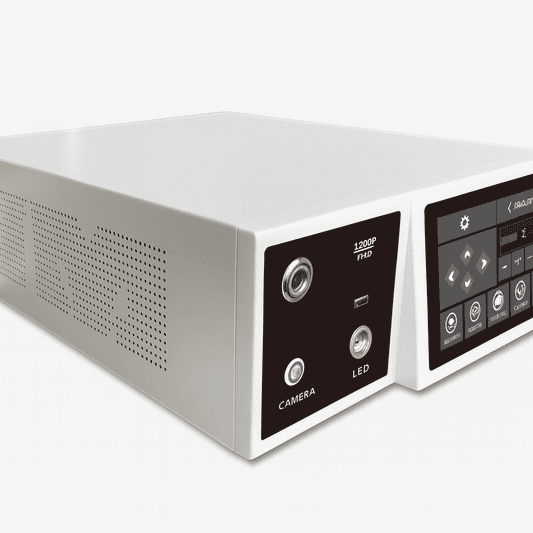
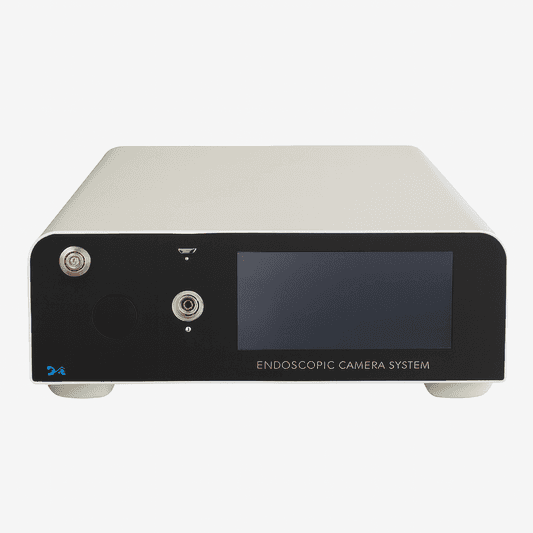
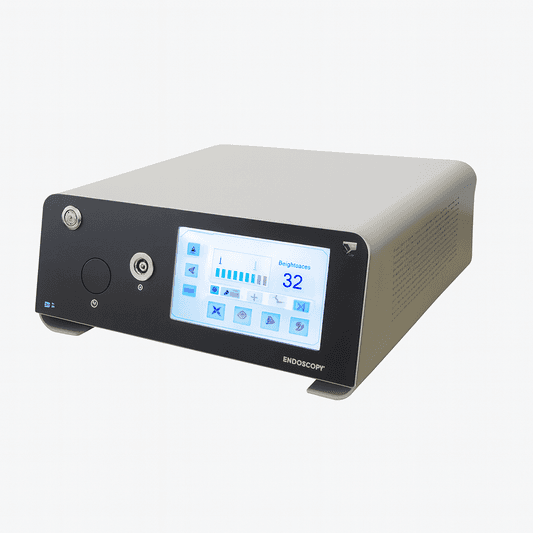
- Camera systems in Full HD (9 models) and 4K (HP-R07, HP-R11, HP-R12).
- Rigid scopes for ENT (sinuscopes, otoscopes, laryngoscopes), arthroscopy, laparoscopy and cystoscopy.
Endoscopy equipment lets surgeons and ENT specialists see inside the body through natural openings or small incisions. This collection covers rigid endoscopes and the imaging chain around them for hospitals, day-surgery centers and ENT clinics.
How to build a rigid endoscopy system
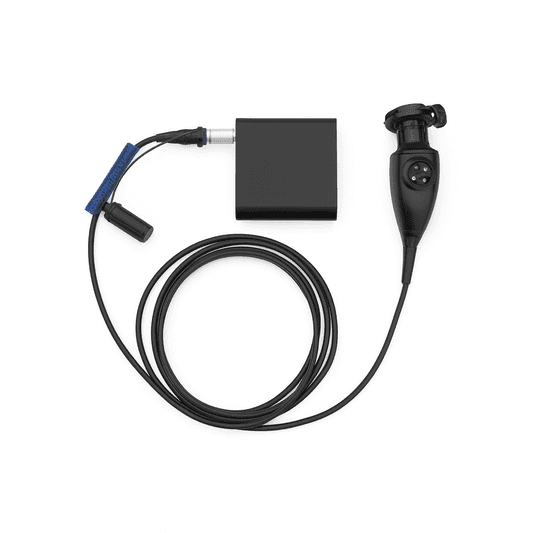
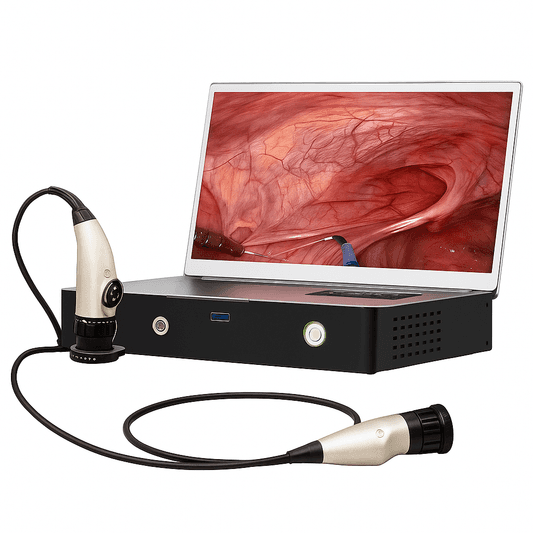
- Camera system. Choose a Full HD rigid endoscope camera for routine ENT and outpatient work, or 4K (HP-R07, HP-R11, HP-R12) for detailed surgical imaging and teaching.
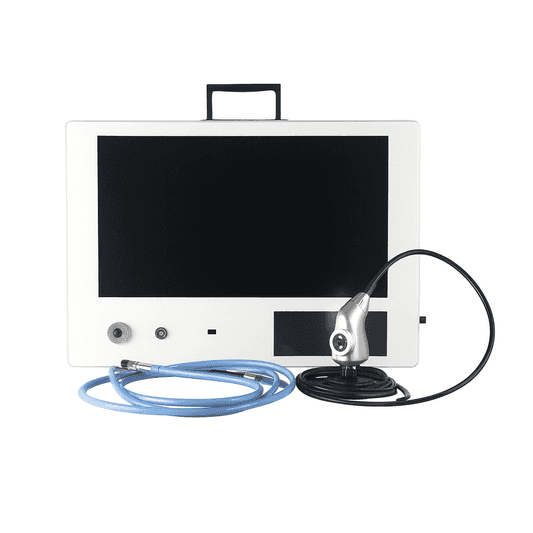
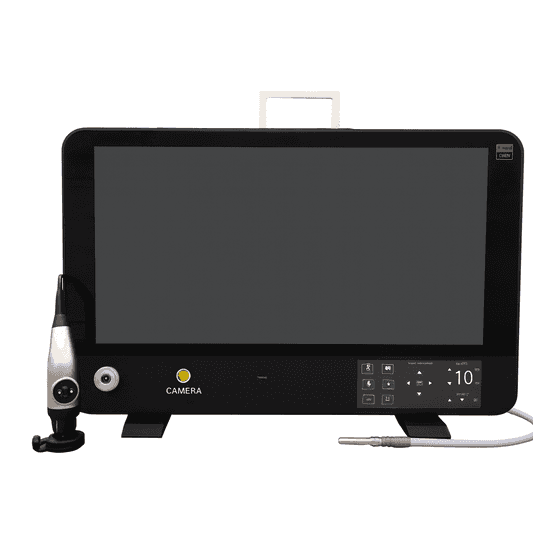
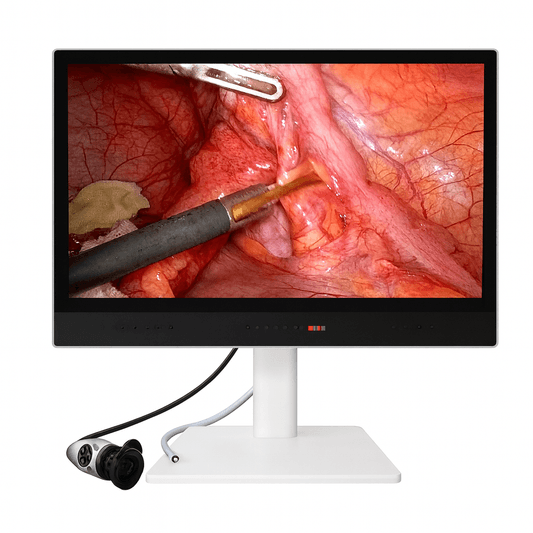
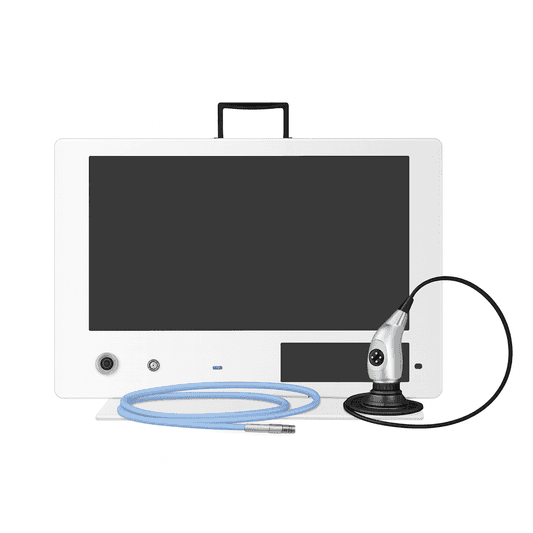
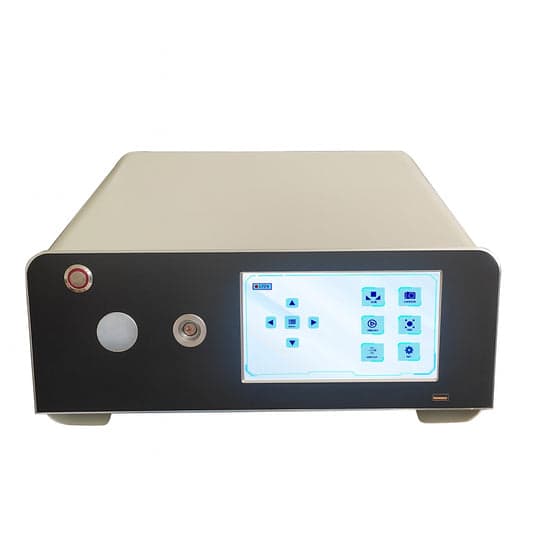
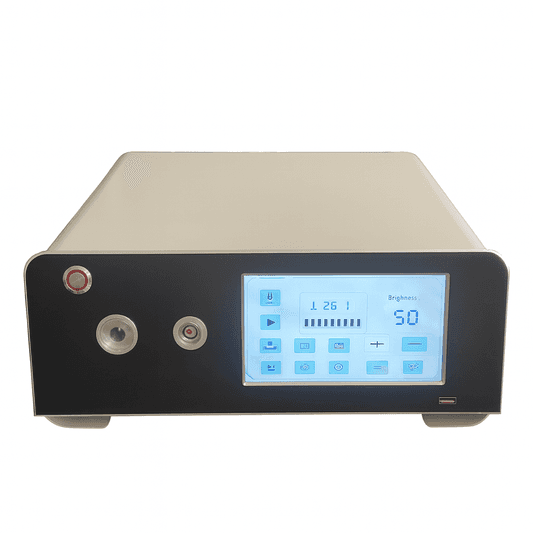
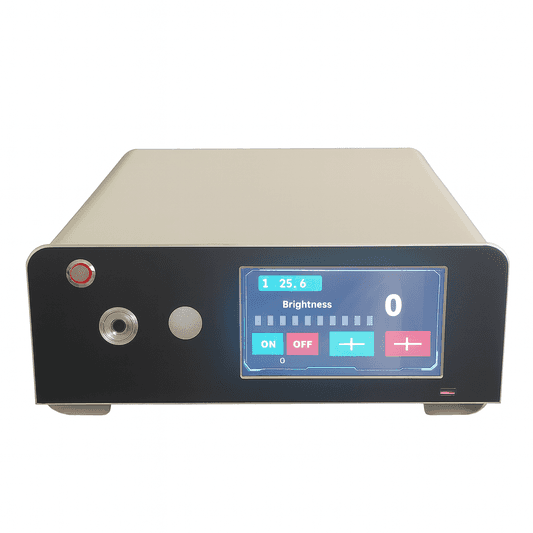
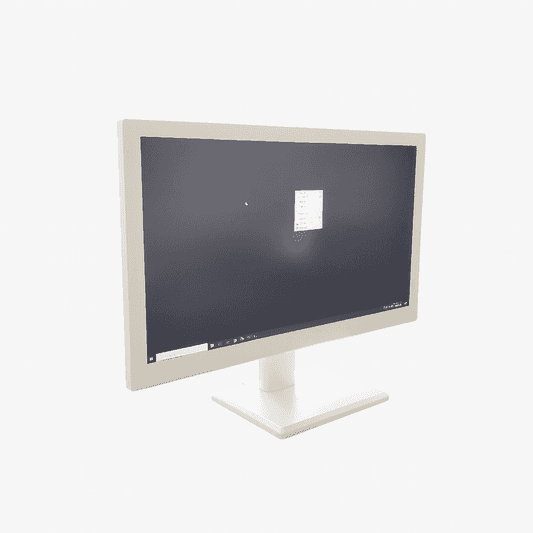
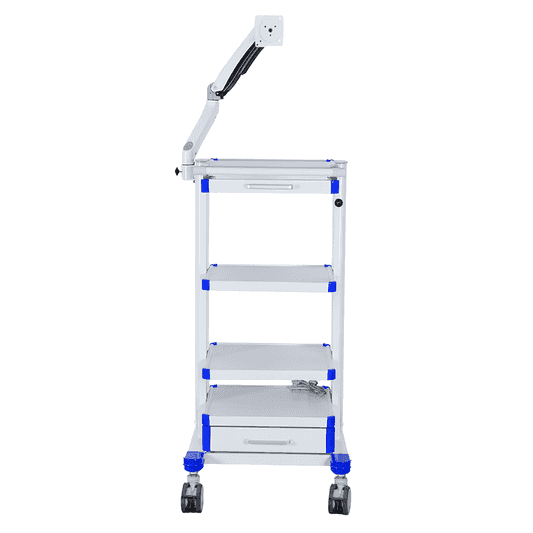
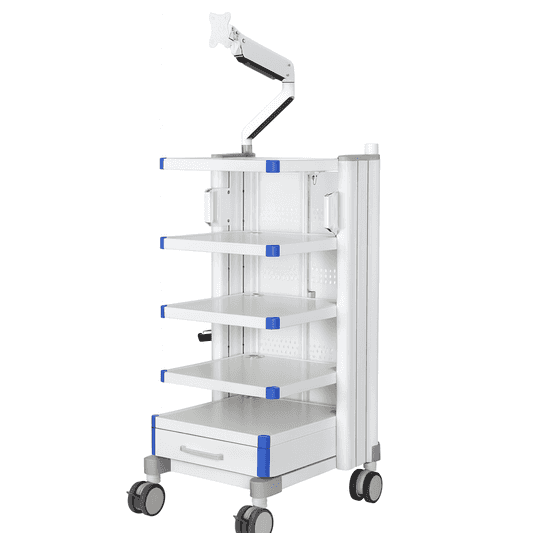
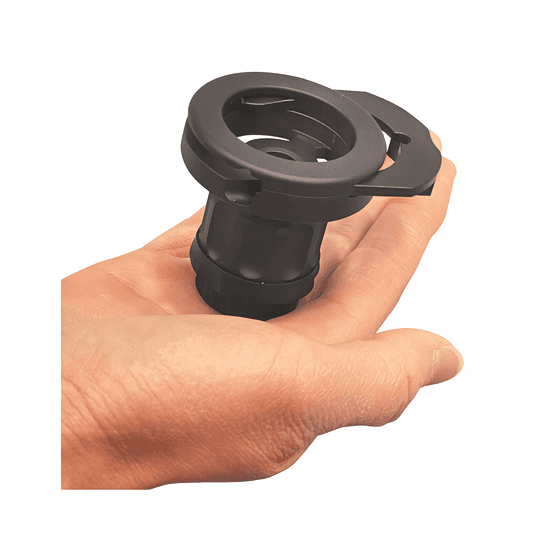
- Light source and display. The HP-R13 light source, HP-R14 to HP-R16 medical monitors and HP-R17 and HP-R18 trolleys complete the tower. The HP-R19 coupler connects the scope eyepiece to the camera head.
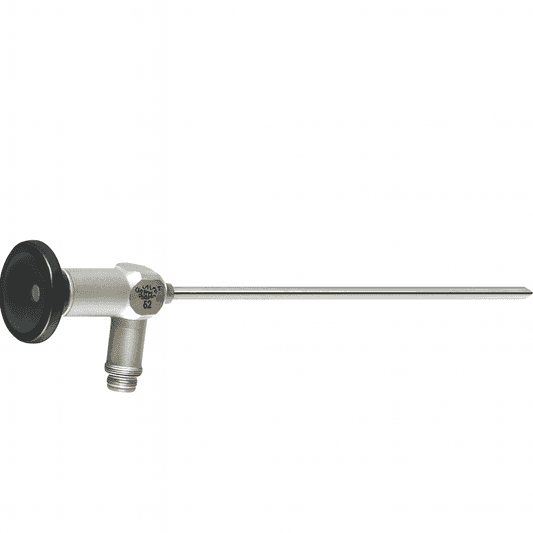
- Scopes. Choose each rigid endoscope by specialty. The ENT endoscope range covers sinuscopes for the nose and sinuses, rigid otoscopes (otoendoscopes) for the ear and rigid laryngoscopes for the larynx; arthroscopes serve joints, laparoscopes the abdomen and cystoscopes the bladder. Confirm the diameter, working length and viewing angle of each scope.
- Compatibility. When adding scopes to an existing tower, send us the camera coupler and light cable connector types so we can confirm the fit.
Products in this collection
- Camera systems: HP-R01 to HP-R12 (Full HD and 4K)
- Light source HP-R13; medical monitors HP-R14 to HP-R16; trolleys HP-R17, HP-R18; coupler HP-R19
- Sinuscopes: HP-R21 to HP-R30 (10 models)
- Otoscopes: HP-R31 to HP-R35; laryngoscopes: HP-R36 to HP-R38
- Arthroscopes: HP-R39, HP-R41 to HP-R44
- Laparoscopes: HP-R45 to HP-R48; cystoscopes: HP-R49 to HP-R53
To request a quote, list the specialties you serve and the components you already own.
Frequently asked questions
+What types of rigid endoscopes are there?
Rigid endoscopes are named after the body area they examine: sinuscopes (nose and sinuses), otoscopes (ear), laryngoscopes (larynx), arthroscopes (joints), laparoscopes (abdominal cavity) and cystoscopes (bladder). They also differ in diameter, working length and viewing angle, commonly 0, 30 or 70 degrees. This collection includes all six types.
+What is the difference between a rigid and a flexible endoscope?
A rigid endoscope uses a straight rod-lens system. It gives sharp images, is robust and is used where the path is straight, such as the nose, joints, abdomen and bladder. A flexible endoscope bends to follow curved passages such as the digestive tract and airways. All endoscopes in this collection are rigid.
+What types of endoscopes are used in ENT?
Sinuscopes (nasal endoscopes) for the nose and sinuses, otoscopes for the ear canal and eardrum, and laryngoscopes for the larynx and vocal cords. Our ENT range is HP-R21 to HP-R30, HP-R31 to HP-R35 and HP-R36 to HP-R38, used with a camera system and light source.
+What is the difference between a laparoscope and an endoscope?
Endoscope is the general term for any instrument used to look inside the body. A laparoscope is a rigid endoscope inserted through a small incision in the abdominal wall for laparoscopic (keyhole) surgery. HP-R45 to HP-R48 are laparoscopes.